Fire doors are silent guardians. The majority of days they rest open, failed to remember behind forklifts and foot traffic, then one smoky mid-day you require them to shut cleanly, secure the opening, and acquire precious minutes. If you run a storehouse, health center, data center, or distribution center with FireKing fire‑rated expenses doors or rolling steel devices, your maintenance techniques are either constructing strength or welcoming risk. I have serviced numerous fire doors over two decades, and the distinction between a system that drops appropriately and one that binds comes down to disciplined assessment, tidy hardware, confirmed launch courses, and respect for the information the tag requires.
This guide pulls from area experience with fire‑rated rolling doors, counter shutters, and extra-large coiling designs integrated right into building life‑safety systems. It covers fixing triage, yearly decline screening, launch device pitfalls, and when to call a Commercial Garage Door Service specialist. Expect useful information and numbers, not vague platitudes.
What makes a FireKing door different
A fire‑rated moving door looks like a typical coiling door from a distance, but the anatomy and code commitments raise the bar.
- The curtain makes use of interlocking slats, typically galvanized or stainless, created to increase much less boldy under warmth and resist contortion. Determine and profile matter. If a previous garage door fixing changed slats with non‑rated supply, the assembly is compromised and the UL tag is void. The barrel contains a stress spring sized for the door's specific weight and width. Inaccurate spring torque throws off decrease speed and can slam the bottom bar or delay the drape halfway. Release gadgets connect right into fusible links, warm sensors, and often smoke detection or smoke alarm relays. When the system receives a signal, the clutch or guv need to release easily and the door has to descend under gravity or controlled spring force. The tag on the overview or headplate is not design. It documents the rating and the parts accepted for that door. Paint over it or eliminate it, and you will certainly fall short inspection.
In short, you are not just taking care of an everyday garage door. Commercial garage door repair on a fire‑rated version lives inside NFPA 80 and the producer's manual, and it frequently converges with the smoke alarm supplier's work.
The initially walk‑through: deal with the simple failures
I begin with a slow lap around the opening. Ten minutes right here typically saves an hour on the ladder.
Look at the overviews. Are the steel channels plumb and parallel within an eighth of an inch over the elevation? A forklift bump can fine-tune a guide just enough that the curtain rubs at mid‑travel. Examine the guide wear strips if existing, and run your finger along the inside edge. Sharp burrs cut the curtain coating and produce drag.
Study the head setting up. The barrel ought to rest degree. Irregular droop hints at loose bearings or a bent shaft. If the governor real estate is oily, the interior brakes may be infected. A light luster of grease is fine, drips are not.
Find every fusible link. There is usually one at each side near the head and often mid‑span if the pull cord serpents around challenges. Hyperlinks needs to be clean, unpainted, and cost-free to divide. I as soon as fell short a decrease examination due to the fact that a painter rolled a coat over a web link and effectively glued it shut.
Trace cables and chains. The release chain need to have gentle arcs, not limited twists. Cables must stay clear of sharp edges. If you see frayed strands, replace them, not later on, now.
Cycle the door by hand. With the clutch engaged, pull the chain hoist. If it is a motorized system with a fire release, disconnect power and make use of the hand-operated operation to feel resistance. Take note of one‑foot sections of traveling. Bind at the same point each time usually marks a dented slat or an overview pinch.
Listen. A healthy and balanced fire door murmurs and hums. Grind and shrill mean misalignment or completely dry bearings. A hollow beat near the bottom can point to a loosened lower bar angle or a missing out on fastener in the last slat.
This standard pass collections your fixing plan. If the door can closed and close efficiently by hand with a well balanced feeling, do not continue to screening. Repair the mechanics first.
How to review and respect the label
I maintain a little flashlight for labels. On FireKing doors, the tag typically provides the door design, dimension, hour rating, and allowable field modifications. The tag will certainly call out called for overviews, slat accounts, and often the governor kind. Below is exactly how to use it right.
- Confirm the door size matches your dimension. A 12 foot by 12 foot opening with a curtain constructed for a somewhat different size can slip or leave spaces at the sill. Note the drop rate requirement. Regular is a regulated descent of 6 to 24 inches per second. Faster than that and you risk a dangerous slam, slower and the door might not fully close prior to a heat spike contorts the frame. Check authorized launch devices. Some settings up call for a details governor or clutch. Exchanging a generic component throughout a rushed garage door fixing may void the rating. Document the tag with a photo for your solution file. If an assessor later locates it repainted over, you can confirm the original ranking and components.
Treat the label as the heart of your Business Garage Door Solution plan. Every part you touch needs to response to it.
The quiet awesomes: paint, dust, and misrouted cables
Not every repair service involves a new springtime or slat pack. Some of the most typical failures are pedestrian.
Paint binds fire doors. Painters enjoy to provide a clean aim to lead edges and exposed web links. The paint adds a slim grain that rubs the curtain or, even worse, glues fusible links and launch pins. Any kind of painting around a fire door should quit a quarter inch from moving components. Mask, then paint. If a link picked up overspray, replace it.
Dust accumulates in ceilings. Facilities with cardboard and fabrics run messy. Combine dust with a mist of oil from a chain hoist and you have sticky sludge. That slime slows down cords, gums governors, and gathers on the drape's leading slats. Vac the clearance before your annual test. Clean the chain with a dry rag.
Cables take the shortest course unless you path them. I have seen release cords draped diagonally throughout an edge support, after that reduced by vibration in much less than a year. Use smooth wheels where instructions changes and add safety bushings at passthroughs. Long pull wire runs take advantage of stainless cord to stand up to corrosion.
None of this is attractive. All of it protects against incorrect failings throughout a code witness test.
When the electric motor and the fire release share space
Many FireKing doors are motorized for day-to-day usage however should likewise release on alarm system and gravity close. That handoff in between electric motor control and decline control is where repairing obtains interesting.
A typical configuration includes a motor driver with brake, a chain lift for hands-on usage, and a fire release gadget that either journeys a clutch or cuts power and releases a guv. The electric motor brake ought to open totally when power is reduced, and the clutch should let the barrel turn openly throughout a drop. If the motor brake drags, the door will stall or descend too slowly.
Two indications the brake is your bad guy: during a hands-on decline test with power off, the initial couple of feet are smooth, after that the speed decreases and the operator's gearbox starts to back‑drive with a rattly roar. Or after a fire signal reset, the motor struggles to raise the last two feet, hinting at a partly engaged brake. In both instances, evaluate the operator brake change and pads. These are typical parts a credible Business garage door repair work specialist keeps in the van.
Integration with the smoke alarm additionally journeys collaborate. A supervised 24 V circuit need to signify the release tool, while a different shunt relay eliminates motor power. If your door is not dropping on alarm yet drops fine with a fusible link pull, try to find miswired alarm system contacts or a not being watched loop that opened months earlier without anyone discovering. Job alongside the smoke alarm service provider. Do not guess.
Balancing and springtime torque, with numbers that matter
Too little springtime torque and the drape escapes on the decrease. Excessive and it crawls. For the majority of mid‑sized rolling doors, you will certainly aim for a descent in the 6 to 12 inches per 2nd window. I gauge with a stop-watch and a piece of blue tape at the bottom bar. Mark a one foot interval on the guide, launch, and time the pass. If you obtain 18 inches per second or more, add a quarter turn of spring tension and attempt again. If you are listed below 6 inches per secondly, back off.
Do not wing springtime matters. Videotape the variety of quarter transforms added or eliminated, and note ambient temperature level. Springs behave in different ways in a 45 level dock versus an 85 level filling bay. Also keep in mind any kind of governor adjustment. Some FireKing systems utilize a centrifugal governor with an outside set screw. Tiny adjustments matter. I chase after steady rate greater than an ideal number. The door must not rise mid‑drop or be reluctant at the sill.
A word on bottom bars. A missing seal or a curved angle near the bottom adds sound and friction. Replace seals when broken or squashed. A brand-new neoprene or brush sill usually brings back smooth closing and boosts smoke resistance, which is the difference in between an annoyance smell and an evacuation.
Annual decline screening without drama
NFPA 80 anticipates an annual examination, and several insurance firms request for documents throughout audits. I choose a two‑stage process: a dry run after upkeep, then the witnessed examination with the security police officer or inspector present.
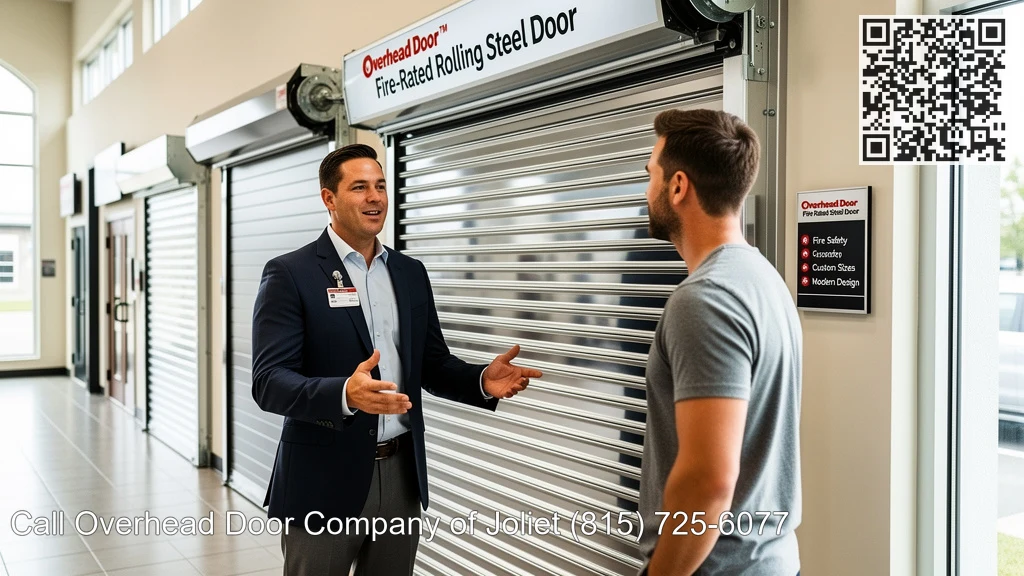
Here is a crisp list for your prep day that will conserve you from red tags later.
- Verify the path: clear pallets, signs, or avenue within 18 inches of the curtain and bottom bar path. Clean and check: vacuum the head location, clean launch chains, look for torn cords, and confirm guides are plumb. Exercise releases: journey each fusible link or mechanical launch manually and reset, guaranteeing the clutch involves and disengages properly. Time the descent: location marks on the guides, do at the very least two declines, and record rate and observations. Coordinate signals: with the fire alarm vendor, validate the release circuit logic and the power shunt to the electric motor operator.
During https://jsbin.com/jezuwiketi the experienced examination, utilize the actual fire signal. Allow the examiner see the driver power cut, the launch trip, and the door descend at regulated speed to full closure. Demonstrate reset treatments that match the maker's bulletin, not a made‑up series. I have seen techs spin an overspeed reset wrong and strip a clutch hub, transforming a tidy test right into a four‑hour repair.
Document everything. I include previously and after photos, the label shot, speed readings, the names of those present, and any kind of components changed. A one‑page PDF in the center's life‑safety documents is gold when questions surface after a genuine event.
Common failure modes and quickly, risk-free remedies
Let's deal with the best hits.
The door stops 5 inches above the floor and rejects to seal. Look first for a misaligned stop bolt on the drive side that engages a limit cam prematurely. If the door is motorized, out-of-date restriction setups could likewise be at fault after a slat substitute altered drape size. Reset restrictions only after validating full complimentary travel by hand.
The door bangs near the bottom on release. That is a mix of low springtime torque and a sticky governor. Include a quarter transform at a time, and open the governor housing to evaluate pads and springtimes. Contamination by oil haze can make pads glaze and decrease damping.
The fusible web link does not separate at test temperature level. Hyperlinks featured specific scores, usually 165 F near ceilings and 212 F in hotter zones. A random container of links is not a smart inventory. Stock the right ratings and replace like for like. Never set up a higher temperature web link to reduce problem trips. That is not a hassle, it is a life‑safety signal.
Curtain binds midway with a shudder. Track pinch or a dinged up slat is likely. Loosen up the guide screws somewhat, tap the guide back to parallel with a soft club and a 6 foot degree, after that snug bolts considerably from bottom to top. For a single dinged up slat, you can typically eliminate the lower bar and a couple of slats to swap the harmed one without dismantling the entire door. Mind the label. Change with matching account and gauge.
Motor hums, door does stagnate after fire reset. The brake is still set or the fire release clutch did not totally reengage. Verify reset series and check for a stuck pawl. On some settings up, a tiny misalignment of the reset handle leaves the clutch 90 percent involved, which is not enough under load.
When to ask for Business Garage Door Service
If your group deals with regular facilities upkeep, you can clear many issues. There are lines I do not cross without a skilled tech.
- Spring replacement on barrels under load. Torsion energy is not forgiving. If you do not have the bars, locking devices, and the particular treatment for your model, employ it out. Welding or correcting the alignment of architectural overviews. Warmth can misshape the channels and ruin the ranking. Change, do not torch. Governor reconstructs and clutch hub replacements. Specialized components and torque specs matter. Electrical combination modifications. If you are changing launch logic or including door setting checking to the fire panel, bring in the alarm system contractor along with the Business Garage Door Service provider.
Quality Business garage door fixing companies make their keep on fire doors. Search for technologies that bring a drop examination set, a torque chart, a stock of accepted fusible links, and who discuss the tag before they touch the door. If they recommend non‑rated slats to conserve a week of preparation, keep looking.
The junction with Commercial Garage Door Installation
New jobs are where you bake in less migraines later on. During Commercial Garage Door Installment for a fire‑rated opening, insist on a pre‑installation conference between the door installer, the emergency alarm integrator, and the electrical professional. Obtain 3 things crystal clear.
The launch logic. Determine whether the door will certainly go down on smoke, heat, or general alarm system, and confirm supervised circuits back to the panel. Settle on power shunt timing for mechanized devices so the operator brake consistently opens up before the release trips.
Headroom and access. Fire doors despise cramped pockets. You require space for the barrel, the governor, and a safe arc for the chain hoist. Strategy clear ladder access to the head for future service.
Finish and signage. Prep a paint strategy that masks relocating parts and labels. Include a sign at eye level: Fire Door, Do Not Block. It works, if only as a day-to-day pointer to forklift operators.
A well coordinated garage door installment pays you back for years. Alignment remains true, wiring is clean, and your very first annual examination reviews like a list, not a rescue mission.
Inventory and spares that make sense
If you run a campus with several FireKing doors, a small bin of approved spares decreases downtime and maintains your tag happy. Assume in terms of consumables and likely wear items rather than deep stock.
Carry fusible links in the specific temperature scores set up, stainless cables rated for your door sizes, lower bar seals in the appropriate account, and a governor pad kit if your design sustains area pad changes. Keep a set of chain adapters and a size of matching hand chain for hoists. Store a laminated duplicate of the drop examination form and a torque graph in the very same container. I likewise classify a couple of blue store rags for fire door usage just, so oily cloths from the forklift bay do not move as much as the head assembly.
Avoid the temptation to stock slats. Slat accounts differ, and a wrong profile may fit yet will scrub or leakage. Order to identify when needed.
Training the group that deals with the door
Operators make or damage fire door health and wellness. Five mins of training for change leads keeps the doors from becoming shelf space.
Show them how much to keep pallets and plastic wrap from overviews. I such as a yellow flooring stripe 18 inches from the guide face. Teach the sound of a delighted chain hoist and exactly how to quit if the door really feels harsh. Advise them to call upkeep if they see shavings, repaint flakes on links, or a bottom bar that no longer kisses the sill.
Most of all, demystify the reset. After a drill, a basic table card near the operator with the correct reset sequence conserves calls and avoids forced activities that flex parts. Never ever have a "store hack" reset that varies from the manufacturer's steps.
A narrative from a smoky Tuesday
A distribution center client called after a tiny product packaging fire tripped their alarms. 3 fire doors did their task. The fourth stopped six inches high and let smoke press past. We got here to discover excellent upkeep logs, clean guides, and a healthy and balanced guv. The offender was almost awkward, a floor mat wedged under the sill that no one discovered during drills due to the fact that the floor covering lived there for years. It had a beveled edge that let the lower bar experience up simply enough to stop working seal.
We relocated the floor covering, cycled the door, and retested. It shut tight. The client added a yellow synopsis on the flooring and a month-to-month floor examination by janitorial. Often the repair is not in the headbox. It is at your toes.
Budgeting wisely for reliability
Facilities ask what an accountable annual budget plan resembles for fire doors. For a mid‑size website with 6 to ten fire‑rated doors, expect annual service in the range of 1,200 to 3,000 dollars, depending upon travel and market rates. Components turn this widely. A brand-new governor set might include 400 to 900 bucks, a set of right slats for a 9 foot by 9 foot door can run 600 to 1,200 dollars plus labor. Changing a barrel springtime is normally a four to 8 hour job with components at several hundred dollars.
Spend initially on cleansing, placement, and release honesty. Those hours protect against the large tickets. Schedule the annual decrease test a few weeks prior to your life‑safety audit so you have time to buy components if needed. Treat it like precautionary medication, not a shock exam.
A final calibration: safety and security first, rate second
Everyone loves a door that flies up on a hectic dock. Fire doors do not respect your delivery target. Their job is to shut dependably in the worst minute of the year. Stabilize your everyday benefit with safety and security. Establish motor speeds cautiously. Keep hand chains available and in sleeves so they do not entangle. Replace put on takes care of that make somebody yank hard and off axis.
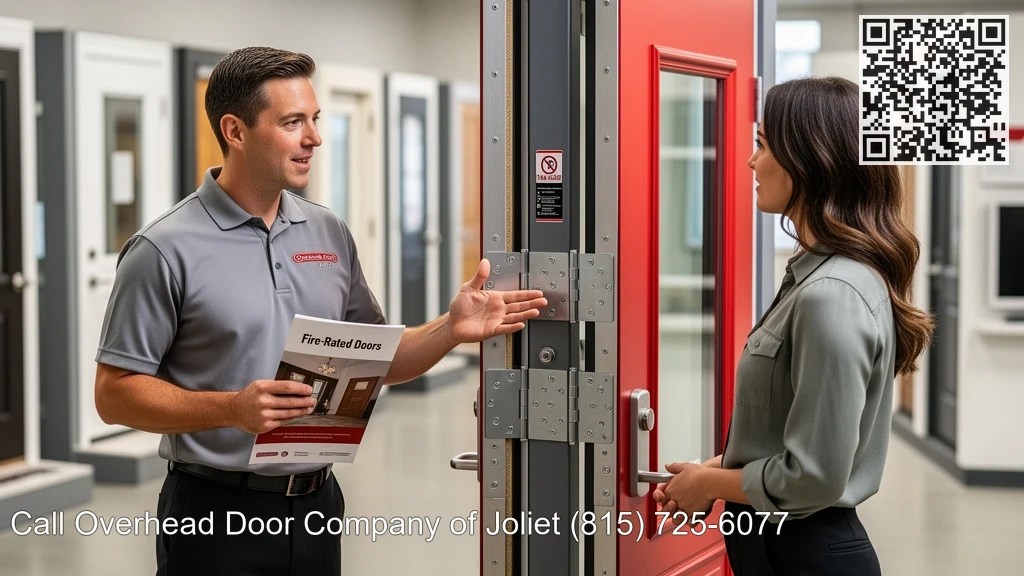
If you bear in mind absolutely nothing else, remember this pairing. Maintain the launch path clean, and safeguard the label. Those two practices turn Industrial garage door repair work from emergency calls right into peaceful, predictable service.
Where your solution partners fit
A strong partnership with a regional provider of Business Garage Door Solution makes the entire program hum. Request for professionals trained on your details FireKing versions, not simply generic curling doors. Share your evaluation routine so they can pre‑stock the ideal components. Loop in your fire alarm firm for the signals. If you are planning Commercial Garage Door Setup of a brand-new rated opening, bring everybody to the table early.
Well looked after, a fire‑rated garage door can run years. I keep websites with original doors from the late 1990s that still go down within 8 to 10 inches per 2nd and reset easily. That is not good luck. It is technique, documentation, and focus to the unglamorous components like cable televisions, links, and a coloured side that never ever touches the guide.
The payback is not just a passed inspection. It is the day you scent smoke in the mezzanine, hit the alarm, and enjoy the curtain glide down, seal to the sill, and maintain that smoke where it belongs. That is a door doing its task. That is your facility remaining safe. Which is why this work matters.
 Ask ChatGPT
 Ask Grok
 Ask Perplexity
 Ask Claude
 Ask Google AI
 Ask You